Best Fabrics for Humid Weather: What Keeps You Comfortable All Day
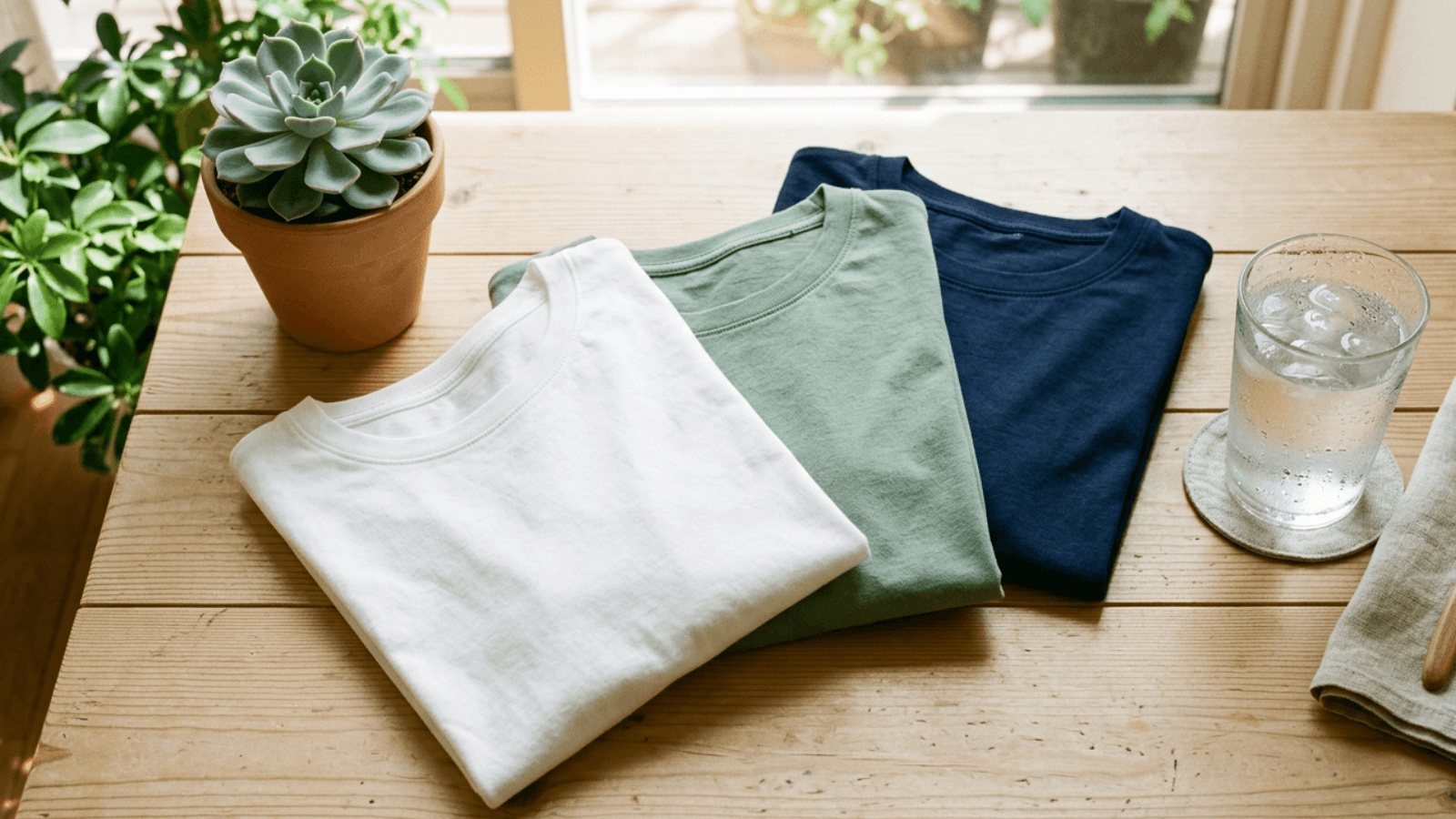
Humidity does something dry heat never does. It clings. Even on days when the temperature is not extreme, thick air makes ordinary cotton feel heavy, damp patches show up faster, and a shirt that looked fresh in the morning can feel worn out by lunch. Most of the frustration people blame on "bad weather" is actually a fabric problem, not a heat problem.
If you have ever wondered why the same t-shirt feels fine on one humid day and unbearable on another, the answer usually comes down to weave, fibre type, and fit rather than the temperature reading on your phone. Getting this right matters more in cities that sit near the coast or through the monsoon stretch, where humidity levels stay high even when the sun is not particularly harsh.
Why Humidity Feels Worse Than Heat
Sweat is the body's natural cooling system. In dry heat, sweat evaporates quickly and pulls heat away from the skin. In humid air, the surrounding moisture is already close to saturation, so sweat sits on the skin instead of evaporating. The fabric you are wearing either helps this process along or gets in the way of it entirely.
A fabric that traps moisture against the body keeps you feeling damp long after you have stopped sweating heavily. A fabric that allows air to move and moisture to spread out dries faster and feels lighter, even in the same weather conditions.
This is also why the same outfit can feel completely different indoors versus outdoors on a humid day. Air conditioning and ceiling fans speed up evaporation artificially, which is why a heavier fabric that feels fine at a desk can turn uncomfortable the moment you step outside into still, humid air. Fabric choice matters most in exactly those in-between moments, walking to a bus stop, waiting outside a shop, or sitting through an outdoor event where there is no airflow doing the work for you.
Cotton Still Does the Heavy Lifting
Pure cotton remains one of the most dependable choices for humid climates, and there is a simple reason for this. Cotton fibres are naturally absorbent and let air pass through the weave easily, which keeps skin from feeling sealed off. It will not wick sweat away the way a technical fabric does, but it breathes well enough that most people find it comfortable through an ordinary humid day.
Not all cotton behaves the same way, either. Combed cotton, where shorter fibres are removed before spinning, produces a smoother, more even yarn that tends to feel softer and slightly cooler against the skin than standard carded cotton. This is part of why finishing and yarn quality matter just as much as fibre type when a brand claims a t-shirt is built for hot weather.
For everyday wear, a soft, breathable cotton tee from a cotton t-shirt collection is usually a safer bet in humid weather than a synthetic blend, especially for casual days at home or a relaxed commute.
The one thing to watch with cotton is thickness. A dense, heavy cotton fabric traps more warmth close to the body. A lighter, finer weave lets air circulate and dries faster once you step indoors.
Fit Changes How a Fabric Performs
Fabric choice only does half the job. Fit decides the rest. A slightly relaxed silhouette allows air to move between the fabric and the skin, which is why many people find loose, oversized t-shirts more comfortable through the sticky part of the afternoon than something fitted close to the body.
A classic round neck tee with a slightly wider collar also helps heat escape from the neck and chest, which is one of the warmest areas of the body during a humid day.
Knit vs Woven: The Weave Matters More Than People Think
Most everyday t-shirts are knitted rather than woven, and the type of knit changes how much air actually moves through the fabric. A single jersey knit, which is the most common construction for basic tees, is lightweight and has natural stretch, making it a solid pick for humid weather. A heavier interlock or pique knit, often used for polo shirts, feels more structured but traps slightly more heat because the fabric is denser and the yarns sit closer together.
This is worth keeping in mind when choosing between a plain tee and a polo t-shirt for a humid day out. Polos look sharper for semi-casual settings, but a jersey knit round neck will almost always feel cooler over several hours outdoors.
A Few Myths Worth Retiring
There is a common assumption that darker colours automatically make a fabric hotter and lighter colours automatically make it cooler. Colour does affect how much heat a fabric absorbs from direct sunlight, but in humid weather with overcast skies or mostly indoor time, weave and fibre type matter far more than shade. Another myth is that expensive automatically means cooler. Price often reflects finishing, print quality, or brand rather than breathability, so it is worth checking fabric composition and weave rather than relying on cost as a shortcut.
Cotton, Poly-Cotton, and Linen: A Quick Comparison
|
Fabric |
Breathability |
Best For |
|
Pure Cotton |
High, absorbs sweat well |
Daily wear, casual outings |
|
Poly-Cotton Blend |
Moderate, dries faster |
Travel, gym-adjacent days |
|
Linen |
Very high, loose weave |
Peak humidity, indoor lounging |
What the Science Actually Says About Moisture Management
It helps to understand the difference between breathability and moisture wicking, since the two terms get used interchangeably even though they solve different problems. As explained in this moisture-wicking clothing guide, wicking moves sweat to the outer surface of a fabric so it can evaporate, while breathability is about how easily air and vapour pass through the material itself. Cotton leans on breathability rather than wicking, which is exactly why a well-woven, lightweight cotton tee still performs well on humid days despite not being a technical fabric.
Small Habits That Help Any Fabric Breathe Better
A few practical habits go a long way regardless of what you are wearing. Skip fabric softener on humid-weather clothing, since it leaves a coating that reduces airflow through the weave. Wash new cotton pieces once before wearing them, as this softens the fibres and improves how the fabric handles moisture. Rotate between two or three lighter pieces through the week instead of relying on one heavier fabric every day.
If evenings turn a little cooler after the humidity breaks, a lightweight tank top underneath a shirt works better than switching to a heavier layer, since it keeps airflow close to the skin without adding bulk.
Choosing What Actually Suits Your Day
There is no single fabric that solves every humid day. Someone commuting through crowded transit will feel better in a poly-cotton blend that dries fast, while someone working from home or stepping out for a short errand will be perfectly comfortable in soft, breathable cotton. The goal is matching the fabric and fit to how much movement and sun exposure the day actually involves, rather than assuming one t-shirt works for every version of humid weather.
It also helps to think about how many hours you will actually spend outdoors versus indoors. A short outdoor commute followed by a full day in an air-conditioned office puts less demand on a fabric than an outdoor job or a day spent running errands on foot. Building a small rotation of two or three fabric types, rather than relying on a single wardrobe staple, makes it far easier to match clothing to the day ahead without overthinking it every morning.
Paying attention to weave, fit, and fabric weight rather than just the printed size on the tag makes it far easier to stay comfortable once the air turns heavy, and it usually means reaching for fewer outfit changes through the day.