How to Care for Printed T-Shirts So the Design Doesn't Fade or Crack
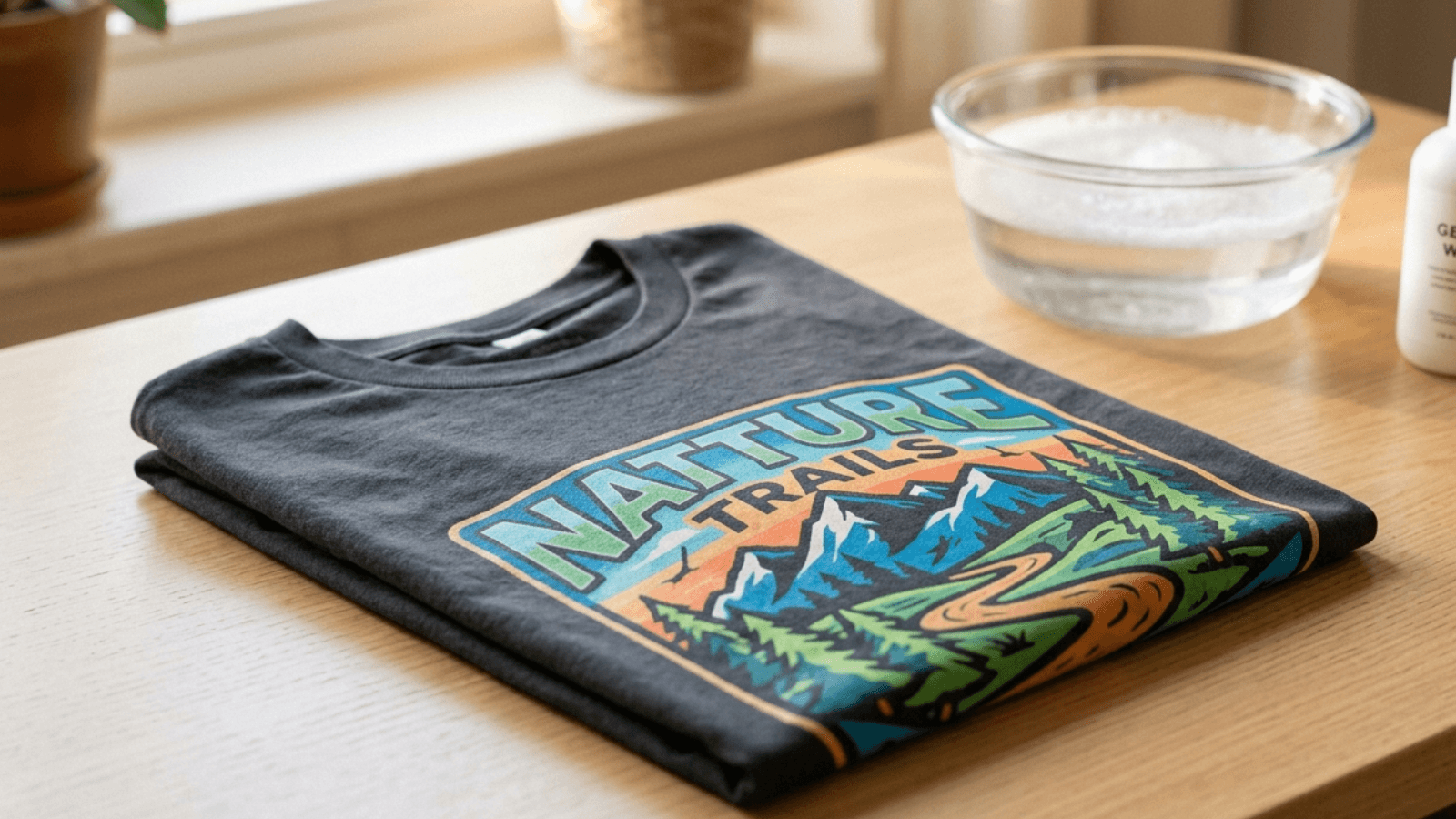
A printed t-shirt looks sharp on day one, but a few careless washes can turn a crisp graphic into a cracked, faded mess. If you have pulled a favourite tee out of the dryer only to notice the design flaking at the edges, you already know how frustrating a printed t-shirt care guide India search can feel when the advice online is vague or contradictory. Printed fabric behaves differently from a plain cotton tee, and the print itself is usually the part that wears out first, long before the fabric does. Getting the basics right from the very first wash makes the difference between a graphic tee that lasts a season and one that stays sharp for years.
Why Prints Start Cracking in the First Place
Screen prints, DTG prints and heat transfers are all bonded to the fabric surface rather than woven into it. Every wash cycle puts that bond through heat, friction and chemical stress. Hot water softens the ink layer, aggressive spin cycles rub the print against zippers and buttons in the same load, and strong detergents strip away the flexibility a print needs to survive repeated folding and stretching. Over time the print's surface develops fine lines, which are the earliest signs of graphic tee wash care problems, and those lines widen into visible cracks with continued wear. Fading follows a similar pattern. UV exposure from sunlight, combined with hot water and harsh detergents, breaks down the pigments in the ink, so a design that was once bold ends up looking washed out and patchy.
Before You Wash It the First Time
Freshly printed t-shirts, whether they are everyday round neck picks or a bold tie dye shirt, benefit from a short settling period. Give a brand new printed tee about a day before the first wash so the ink can fully cure. Washing immediately after purchase, especially in warm water, is one of the fastest ways to trigger print cracking issues right from the start. Always turn the shirt inside out before it goes anywhere near a machine or a basin. This one habit does more for printed tee longevity than almost any other single step, because it keeps the print away from direct friction with zippers, buttons and other garments in the same load.
Washing Machine Settings That Actually Protect the Print
If you are using a washing machine, keep the water cold, ideally at or below 30 degrees Celsius. Hot water accelerates the breakdown of both plastisol and water based inks, and it is also responsible for most of the shrinkage complaints that come with cotton t-shirts and kids t-shirts. Choose a gentle or delicate cycle rather than a normal one, since aggressive agitation is what causes cracking around the edges of a design. Stick to a mild detergent without bleach or added brighteners, and skip fabric softener altogether, since it leaves a residue that makes prints stiffer and more prone to cracking over time. Wash printed tees with similar colours and similar weights, and keep them away from heavier fabrics like joggers or denim that can rub against the print during the cycle.
Drying Without Damaging the Design
Heat is a printed t-shirt's biggest enemy, and a dryer produces more sustained heat than almost any other step in the laundry process. Air drying, either on a flat surface or a hanger, is the safest option for anything with a printed design, from a plain round neck tee to a detailed oversized graphic tee. If a dryer is unavoidable, use the lowest heat setting available and remove the shirt while it is still slightly damp. Keep printed shirts out of direct sunlight while they dry, since UV rays fade colours just as effectively as a hot wash cycle does.
Fabric Type Also Affects How Long a Print Lasts
Prints last longest on tightly woven, high quality cotton because the ink has a stable surface to bond with. A fabric that pills or stretches out of shape puts extra strain on whatever design sits on top of it. Oversized fits tend to see less friction against zippers and buttons simply because the fabric sits looser on the body, which can translate into a design that stays sharp for slightly longer between washes compared to a snug, fitted cut.
Ironing and Storage Tips That Extend the Print's Life
Never run an iron directly over a printed design. If wrinkles need attention, turn the shirt inside out first, or place a thin cloth between the iron and the print, and use the lowest heat setting your iron offers. When it comes to storage, fold printed tees so the design sits on the outside of the fold rather than creased through the middle, since repeated creasing in the same spot is a common cause of early cracking. Store shirts in a cool, dry space away from direct sunlight to keep colours from fading between wears.
Printed Tee Wash Day, Quick Reference
|
Do This |
Avoid This |
|---|---|
|
Wash inside out in cold water |
Use hot water or bleach |
|
Choose a gentle or delicate cycle |
Run a normal or heavy duty cycle |
|
Air dry flat or on a hanger |
Tumble dry on high heat |
|
Iron inside out on low heat |
Iron directly over the print |
What About Lawa Wash and Other Special Finishes
Libis Clothing's lawa wash pieces go through a unique finishing process that gives the fabric its distinct texture, and that finish interacts differently with heat and detergent compared to a standard cotton tee. Treat lawa wash and other specially finished garments with the same cold water, gentle cycle approach recommended for printed tees, since both categories are more sensitive to hot water and harsh detergents than a plain, unprinted t-shirt.
How Often Should You Really Wash a Printed Tee
Every wash cycle adds a small amount of wear, so washing less often is one of the simplest ways to protect a design. Spot cleaning a small stain instead of running a full wash can buy a printed tee several extra months of sharp, crack free graphics. Rotating between a few printed t-shirts rather than reaching for the same one every day also spreads out the wear evenly, which matters more than people expect when it comes to long term printed tee longevity.
Common Mistakes That Shorten a Printed Tee's Life
A few habits sneak into most laundry routines without anyone noticing, and they are usually the real reason a favourite printed tee starts looking tired after just a handful of wears. Washing a printed shirt together with heavier items like joggers or denim shorts creates unnecessary friction. Skipping the inside out step because it feels like an extra task adds up over dozens of washes. Leaving a damp printed tee balled up in a laundry basket instead of hanging it promptly can also set in wrinkles that later need ironing, and ironing is exactly the kind of heat exposure a printed design does not need.
Choosing a Tee That Prints Well From the Start
Print longevity starts before the first wash, right at the point of buying the shirt. A dense, tightly woven cotton fabric holds ink far better than a loose, thin weave, which is one reason a well made polo tshirt or plain cotton tee tends to print more evenly than a bargain basement fabric. Pre-shrunk fabric also matters, since a shirt that shrinks unevenly after the first wash puts extra stress on a print that was applied when the fabric was a different shape. Checking a product description for fabric weight and pre-shrinking before buying saves a lot of disappointment later, especially for shirts featuring detailed multi colour designs like a korean shirt print or an abstract pattern.
Good print care does not require anything complicated, just a bit of consistency with water temperature, detergent choice and drying habits. Pieces like the topical print shirt or a tie dye design hold their colour especially well when they are washed cold and dried flat. For more detailed guidance on screen printing durability across different ink types, the Monster Press wash guide is a useful reference point. Treat a printed graphic the way you would treat any other investment piece in a wardrobe, and it will keep looking new wash after wash.