Denim Care 101: Washing Without Fading Your Favourite Jeans
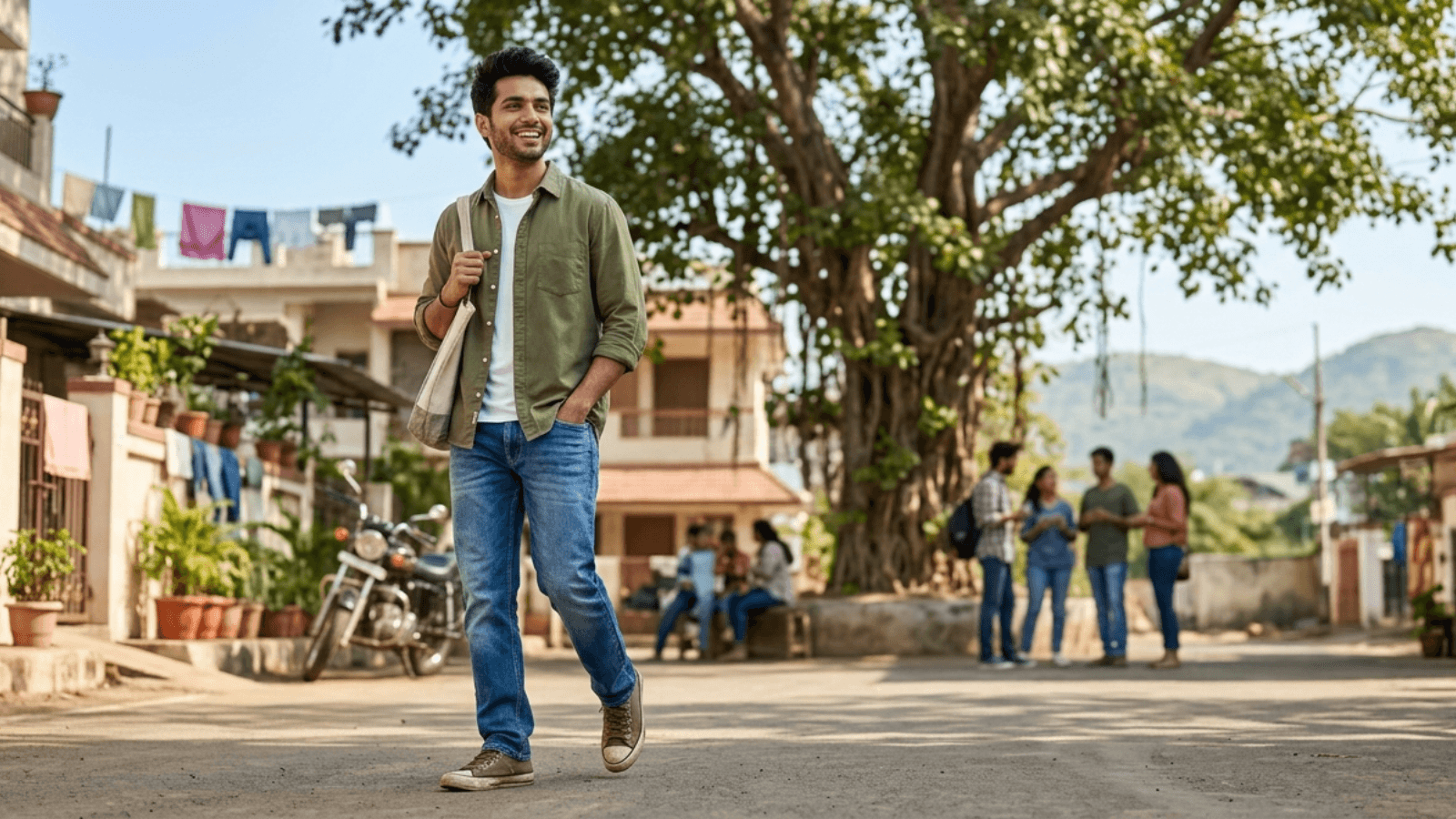
That perfect pair of jeans rarely stays perfect for long once regular washing starts taking a toll on the colour, and denim care washing tips that actually work tend to get lost among generic laundry advice that does not account for how denim specifically behaves. This guide covers practical jeans colour preservation tips to keep your favourite pair looking closer to new for much longer.
Why Denim Fades Faster Than Most Fabrics
Denim is dyed using indigo, a dye that sits on the surface of the cotton fibre rather than fully penetrating it the way many other fabric dyes do, which is exactly why denim naturally fades over time even with the gentlest possible care. Every wash cycle, and particularly the mechanical agitation and friction of a standard machine wash, gradually strips away some of this surface dye, which is why understanding how to wash jeans without fading really comes down to minimising unnecessary friction and wash frequency rather than finding some special detergent that stops fading entirely.
Heat is the other major factor accelerating fade, both from hot water during washing and from high heat during drying, both of which cause the indigo dye to break down and release from the fabric considerably faster than cold water washing and air drying.
Washing Frequency: Less Is Genuinely More
One of the most effective denim maintenance guide practices is simply washing jeans far less often than most people default to. Unless visibly soiled or after intense physical activity, jeans can typically go multiple wears between washes without hygiene concerns, since denim is fairly resistant to odour retention compared to many other fabrics. Spot cleaning a specific stain or mark, rather than running a full wash cycle for a single small area, preserves the overall colour considerably longer while still keeping the jeans looking presentable.
For jeans that genuinely need a full wash, turning them inside out before washing protects the outer, visible surface of the fabric from direct friction against the machine drum and other garments, which noticeably slows the rate of visible fading over repeated wash cycles.
|
Practice |
Impact on Fading |
Recommendation |
|
Wash frequency |
High impact |
Wash only when genuinely needed |
|
Water temperature |
Moderate to high impact |
Cold water preferred |
|
Drying method |
Moderate impact |
Air dry rather than machine dry |
Proper Washing Technique When You Do Wash
When a full wash is necessary, cold water on a gentle cycle, combined with a mild detergent specifically formulated for dark fabrics, considerably reduces dye loss compared to a standard hot or warm wash cycle. Avoiding fabric softener is worth noting too, since it can interact with denim's dye and finish in ways that dull the fabric's appearance over time rather than genuinely softening it in a way that benefits the garment.
Washing dark jeans separately from lighter coloured clothing, at least for the first several washes when dye transfer risk is highest, also protects both the jeans and anything else in the same wash load from unwanted colour bleeding.
Drying Without Undoing Your Careful Washing
Air drying, ideally inside out and away from direct sunlight, which can also contribute to fading over extended exposure, is consistently the gentlest option for preserving denim colour and the fabric's overall structure. If a machine dryer is genuinely necessary due to time constraints, using a low heat setting and removing the jeans while still slightly damp, then allowing them to finish air drying, splits the difference between convenience and colour preservation reasonably well.
You can find well-constructed denim built to hold colour longer with proper care in Libis Clothing's denim jeans collection, paired with the washing habits above to keep your favourite pair looking sharp for years rather than months.