Understanding Fabric Care Symbols on T-Shirt Labels
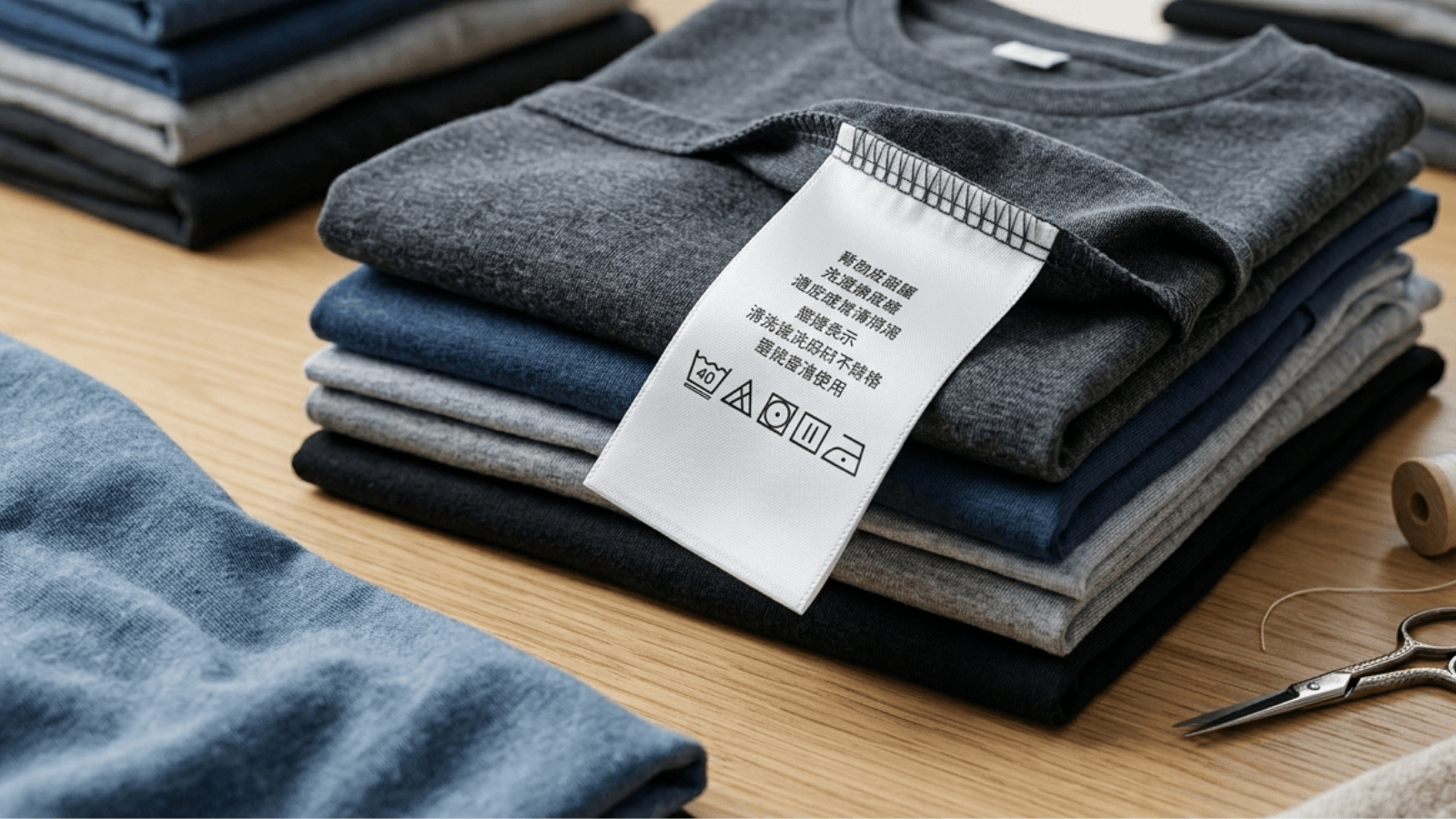
That small tag sewn into the inside seam of every t-shirt carries more useful information than most people ever bother to read, a tiny row of symbols that quietly tell you exactly how to wash, dry, and iron the garment without shrinking it, fading it, or wearing it out faster than it should. Ignoring those symbols is one of the most common reasons a favourite t-shirt ends up looking tired within a few months.
This guide focuses specifically on decoding fabric care symbols on t-shirt labels, what each icon means and how to actually apply it, not general laundry advice.
Why Care Symbols Exist and Why They Matter
Care symbols are a standardised visual language, meaning the same symbol communicates the same instruction across brands and countries, regardless of what language is printed on the label itself. This standardisation exists because different fabrics and finishes, cotton, blends, printed graphics, dyed fabrics, all respond differently to heat, agitation, and chemicals. A washing routine that is perfectly safe for a plain cotton tee can fade a printed graphic tee or shrink a delicate blend within a single wash cycle.
The Washing Symbol
The washing symbol looks like a small tub or basin filled with water, and it is usually the first symbol on any care label.
|
Symbol Detail |
What It Means |
|---|---|
|
Number inside the tub (e.g. 30, 40, 60) |
Maximum safe wash temperature in Celsius |
|
Hand inside the tub |
Hand wash only, no machine washing |
|
A line under the tub |
Gentle or delicate cycle recommended |
|
Two lines under the tub |
Extra gentle cycle, minimal agitation |
|
An X through the tub |
Do not wash, dry clean only |
For most everyday cotton t-shirts, a 30 or 40 degree wash is standard and preserves both colour and fit far better than a hot wash, which is one of the most common causes of unexpected shrinkage in cotton garments.
The Bleach Symbol
A triangle represents bleach instructions, and getting this one wrong is a common way to ruin a t-shirt’s colour permanently in a single mistake.
|
Symbol Detail |
What It Means |
|---|---|
|
Empty triangle |
Any bleach, including chlorine bleach, is safe |
|
Triangle with two diagonal lines |
Only non-chlorine, oxygen-based bleach is safe |
|
Triangle with an X through it |
No bleach at all, of any kind |
Printed and graphic t-shirts almost always carry the no-bleach symbol, since chlorine bleach breaks down both dyes and print adhesives, causing fading and cracking that no amount of careful washing afterward can reverse.
The Drying Symbol
Drying symbols appear as a square, with details inside indicating the specific method.
|
Symbol Detail |
What It Means |
|---|---|
|
Square with a circle inside |
Tumble dry is safe |
|
Dots inside the circle |
Number of dots indicates safe heat level, one dot for low, more dots for higher heat |
|
Square with a circle and an X through it |
Do not tumble dry |
|
Square with a horizontal line inside |
Dry flat, do not hang |
|
Square with a curved line at top |
Line dry (hang to dry) |
Tumble drying on high heat is one of the fastest ways to shrink cotton t-shirts, particularly those with a higher cotton percentage and less synthetic blend to resist heat-related shrinkage. Air drying, either flat or on a line, is consistently the safest option for extending a t-shirt’s shape and print quality over repeated washes.
The Ironing Symbol
The ironing symbol looks like a simple iron shape, with dots indicating safe heat level, similar in logic to the drying symbol’s dot system.
|
Symbol Detail |
What It Means |
|---|---|
|
One dot |
Low heat, suitable for delicate synthetic blends |
|
Two dots |
Medium heat, suitable for most cotton-blend fabrics |
|
Three dots |
High heat, suitable for pure cotton and linen |
|
Iron with an X through it |
Do not iron at all |
Printed t-shirts frequently carry an additional note, sometimes as text rather than a symbol, warning against ironing directly over a printed design. Ironing on the reverse side of the fabric, or placing a thin cloth over the print before ironing, protects graphic prints from cracking or melting under direct heat.
The Dry Cleaning Symbol
A circle represents dry cleaning instructions, though this symbol appears far less often on everyday t-shirts than on more delicate or structured garments.
|
Symbol Detail |
What It Means |
|---|---|
|
Empty circle |
Dry cleaning is safe |
|
Circle with an X through it |
Do not dry clean |
Most everyday t-shirts are designed for regular home washing rather than dry cleaning, so this symbol matters more for specialty pieces than standard cotton tees.
Putting It All Together: A Practical Reading Order
When checking a new t-shirt’s care label, reading the symbols in this order gives the clearest picture before the first wash:
- Check the washing symbol first for maximum safe temperature and machine versus hand wash.
- Check the bleach symbol, especially important for printed or dyed garments.
- Check the drying symbol to decide between tumble drying and air drying.
- Check the ironing symbol, particularly relevant for graphic tees with printed designs.
|
Fabric Type |
Typical Safe Care Routine |
|---|---|
|
Plain cotton tee |
30-40°C wash, tumble dry low or air dry, medium-high iron heat |
|
Printed graphic tee |
30°C wash, no bleach, air dry preferred, iron on reverse or avoid direct heat on print |
|
Cotton-blend tee |
30°C wash, low tumble heat, medium iron heat |
Why Following These Symbols Extends a T-Shirt’s Life
Every wash and dry cycle places some stress on fabric fibres and printed designs. Following the care symbols correctly does not eliminate this wear entirely, but it slows it considerably compared to a default hot-wash, high-heat-dry routine applied indiscriminately to every garment. A t-shirt cared for according to its label consistently holds its shape, colour, and print quality noticeably longer than one washed and dried without regard for what the label actually recommends.
You can explore our full range of cotton t-shirts, each labelled with clear care instructions to help you get the most wear out of every piece. For the complete official reference on standardised care symbols, this overview of care labels covers the full international symbol system in more detail than any single garment tag can show.
Those small symbols sewn into a t-shirt collar are not decorative, they are a direct, standardised instruction manual for keeping the garment looking its best for as long as possible. A few extra seconds reading them before the first wash pays off across every wash that follows.