Festive Season Wardrobe Prep: Building a Versatile Casual Rotation
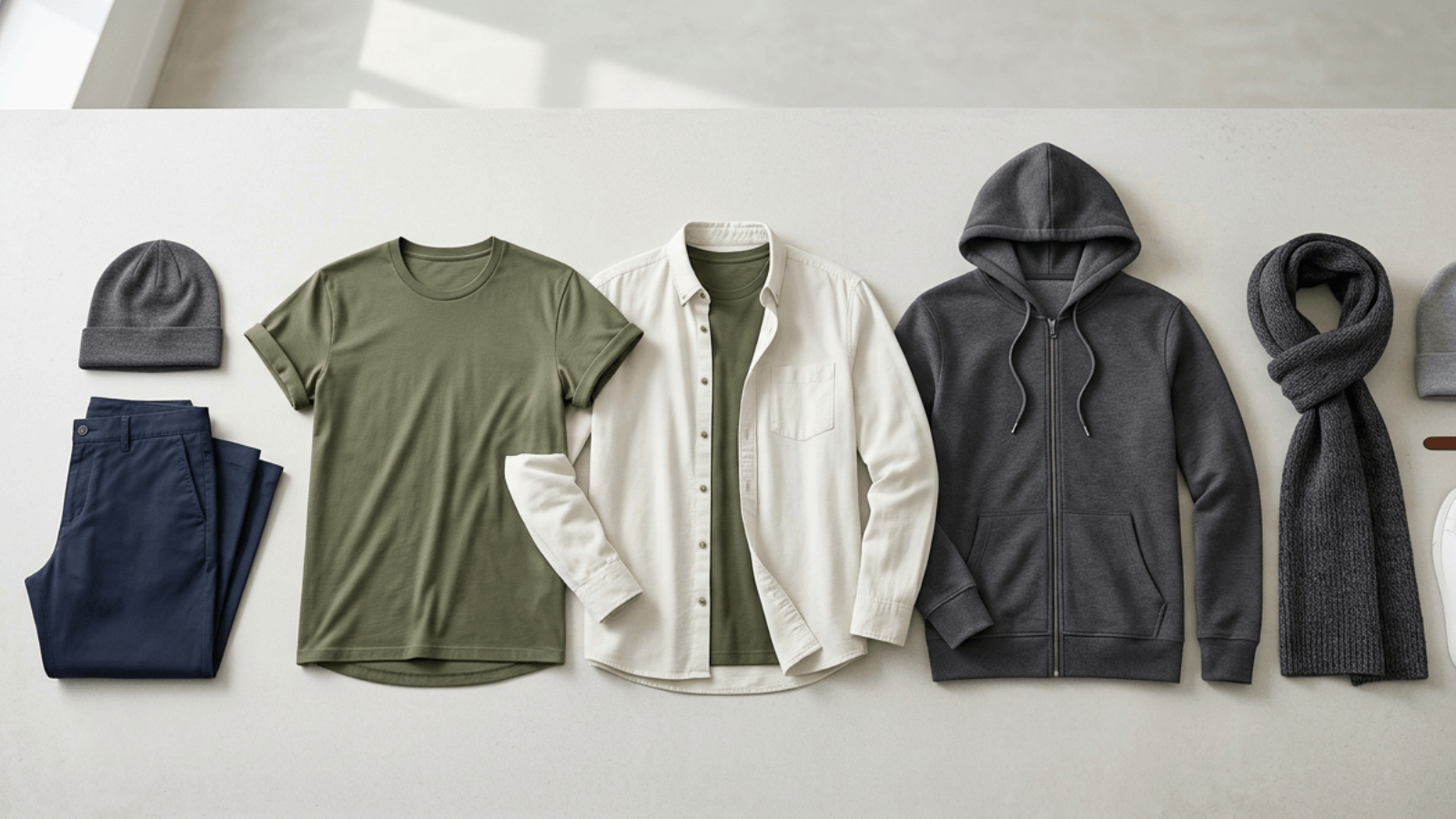
Festival season in India rarely announces itself with a single date on the calendar, it arrives as a stretch of weeks, family visits, evening get-togethers, temple functions, and casual celebrations, each with a slightly different dress expectation. Scrambling for an outfit the morning of every single occasion gets exhausting fast. A better approach is building a small, versatile rotation ahead of time, one that flexes across the season instead of demanding a new outfit for every event.
This guide focuses specifically on building that casual festive rotation, not formal festive wear or a full wardrobe overhaul.
Why a Rotation Beats a Pile of One-Off Outfits
Buying a separate outfit for every festive occasion is expensive and, more practically, leaves half the wardrobe unworn for the rest of the year. A rotation built around a handful of versatile pieces, ones that can be mixed, layered, and restyled across different occasions, gets far more genuine wear while still feeling fresh and occasion-appropriate each time. The goal is fewer, better pieces that combine in multiple ways, not more pieces sitting idle after a single wear.
The Core Pieces Worth Building Around
A practical festive-adjacent casual rotation for the August to September stretch typically centres on a handful of flexible categories.
|
Piece Type |
Why It Earns Its Place |
|---|---|
|
Solid colour round neck or polo t-shirts |
Pair easily with festive bottoms, layer well under shirts |
|
One or two printed or textured t-shirts |
Add visual interest without needing a separate “festive outfit” |
|
A relaxed-fit shirt |
Works for slightly dressier evening gatherings |
|
Oversized or standard fit hoodie |
Useful for cooler evening functions or early morning temple visits |
Solid colour t-shirts, particularly in versatile tones like white, navy, or a muted earth tone, form the backbone of the rotation. They pair easily with festive bottoms like a kurta pyjama for a casual-traditional mix, or with jeans for a straightforward casual look, meaning a single t-shirt genuinely earns multiple outings across the season in different combinations.
Layering as the Real Trick
The difference between a rotation that feels repetitive and one that feels fresh usually comes down to layering, not the sheer number of pieces owned. A single solid t-shirt looks noticeably different worn alone, worn under an open shirt, or paired with a light jacket for an evening function, without requiring three separate garments to achieve three separate looks.
Daytime casual: A plain t-shirt with jeans or joggers, simple and comfortable for a daytime family visit or casual outing.
Evening gathering: The same t-shirt worn under a relaxed, unbuttoned shirt adds a slightly more put-together layer appropriate for an evening function without requiring a full outfit change.
Cooler evenings: A hoodie layered over a plain t-shirt covers the temperature drop common during early morning or late evening festival activities in many parts of the country during this period.
Building a Practical Colour Palette
A rotation works best when the pieces genuinely mix and match, which depends heavily on colour coordination rather than each piece being chosen in isolation.
|
Colour Category |
Role in the Rotation |
|---|---|
|
Neutrals (white, black, navy, grey) |
Base pieces, pair with almost everything |
|
One or two festive accent colours |
Add seasonal character without overcommitting |
|
A printed or patterned piece |
Standalone statement, worn without heavy layering |
Sticking to two or three neutral base colours and adding just one or two festive accent tones, rather than buying pieces in five different unrelated colours, keeps the rotation genuinely interchangeable rather than a collection of outfits that only work with themselves.
A Sample Week of Festive Casual Looks
To show how a compact rotation actually stretches across a season, here is what a five-piece core rotation might look like across a busy festive week.
|
Day |
Occasion |
Outfit Combination |
|---|---|---|
|
Day 1 |
Family visit |
Plain white t-shirt, jeans |
|
Day 2 |
Temple function |
Solid t-shirt under a relaxed shirt |
|
Day 3 |
Casual evening gathering |
Printed t-shirt, joggers |
|
Day 4 |
Cooler evening event |
Hoodie over plain t-shirt |
|
Day 5 |
Another family gathering |
Relaxed shirt, different colour t-shirt underneath |
Five distinct occasions, covered comfortably by a rotation built from roughly five to six core pieces, each reused in a different combination rather than worn once and set aside.
Practical Shopping Tips for Building the Rotation
- Start with neutrals before adding colour. A wardrobe built primarily on neutral basics gives the most combination flexibility, with accent pieces added afterward.
- Choose one printed or textured piece deliberately, not several. A single standout piece gets more attention worn occasionally than three competing prints worn in rotation with each other.
- Check fabric weight against the season. Lighter cotton works better for daytime heat, while a slightly heavier hoodie or layered shirt suits cooler evening functions.
- Prioritise fit over quantity. A smaller number of well-fitted pieces photographs and wears better across a busy festive schedule than a larger wardrobe of loosely fitting items.
You can build your own rotation starting with our round neck t-shirts as a versatile base, layered with pieces from our hoodie collection for cooler evening functions throughout the festive stretch. For general background on how casual layering styles have evolved as everyday festive wear in India, this overview of casual wear offers useful broader context.
A well-planned rotation removes the last-minute outfit scramble that festival season often brings, while genuinely getting more wear out of fewer pieces. A handful of versatile basics, layered thoughtfully, carries an entire festive stretch far better than a wardrobe full of single-occasion outfits ever could.