How to Read Size Charts Correctly Before Ordering Online
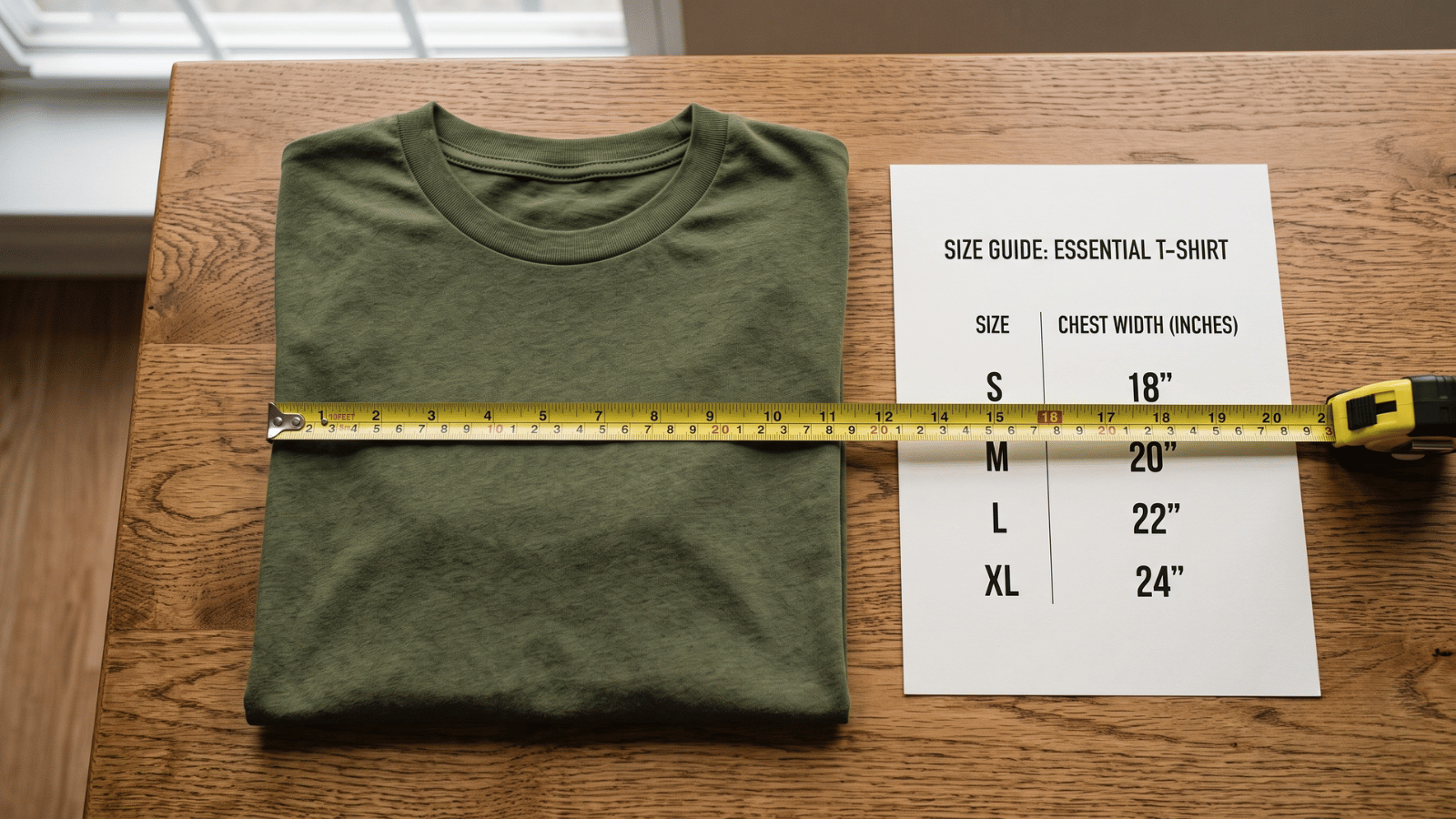
A wrong-size order is one of the most common and most avoidable frustrations in online clothing shopping, and it almost always comes down to skipping or misreading the size chart rather than any real flaw in the sizing itself. Learning to read a size chart properly takes a few extra minutes but saves the far bigger hassle of returns, exchanges, and waiting for a replacement order.
Why Size Labels Alone Are Not Reliable
A size labeled Medium can vary meaningfully between brands, and even between different product lines from the same brand, since fit is a design decision rather than a fixed standard. This is exactly why relying on the size you usually wear elsewhere, rather than checking the specific chart for the item you are buying, is the single biggest cause of wrong-size online orders.
Taking Your Own Measurements Correctly
Chest measurement should be taken around the fullest part of the chest, keeping the tape measure level and snug but not tight. Length is measured from the highest point of the shoulder down to where you want the garment to end. Shoulder width is measured from one shoulder seam point to the other, across the back. Taking these three measurements on yourself, or on a well-fitting garment you already own, gives you real numbers to compare against a size chart rather than guessing based on a label.
Reading the Size Chart Itself
|
Measurement |
How to Take It |
Common Mistake |
|
Chest |
Around fullest part, tape level |
Measuring too high or too tight |
|
Length |
Shoulder point to desired hem |
Guessing instead of measuring |
|
Shoulder width |
Seam to seam across the back |
Skipping this measurement entirely |
Comparing Your Measurements to the Chart
Once you have your own measurements, compare them against the chart's numbers rather than the size label names. If your chest measurement falls between two sizes on the chart, sizing up generally gives a safer, more comfortable fit for most casual wear, while sizing down suits anyone specifically wanting a closer, more fitted look. This decision should be intentional based on the style you want, not an accident from skipping the comparison step entirely.
Using an Existing Garment as a Reference
If you already own a piece of clothing that fits the way you want, laying it flat and measuring it directly, chest across, length top to bottom, gives a highly accurate real-world reference to compare against a size chart, often more reliable than measuring your own body directly, since body measurement technique varies more between people than flat-garment measurement does.
A Simple Pre-Order Checklist
- Locate the specific size chart for the exact product, not a general brand-wide chart
- Take your own chest, length and shoulder measurements, or measure a well-fitting reference garment
- Compare your numbers directly against the chart's measurements, not the size label alone
- When between two sizes, decide intentionally based on whether you want a relaxed or fitted look
Libis Clothing lists specific chest and length measurements on every product page across the cotton t-shirt range, which makes this comparison straightforward without needing to guess based on the general size label alone.