Lawa Wash Explained: What Makes This Finish Different from Regular Wash
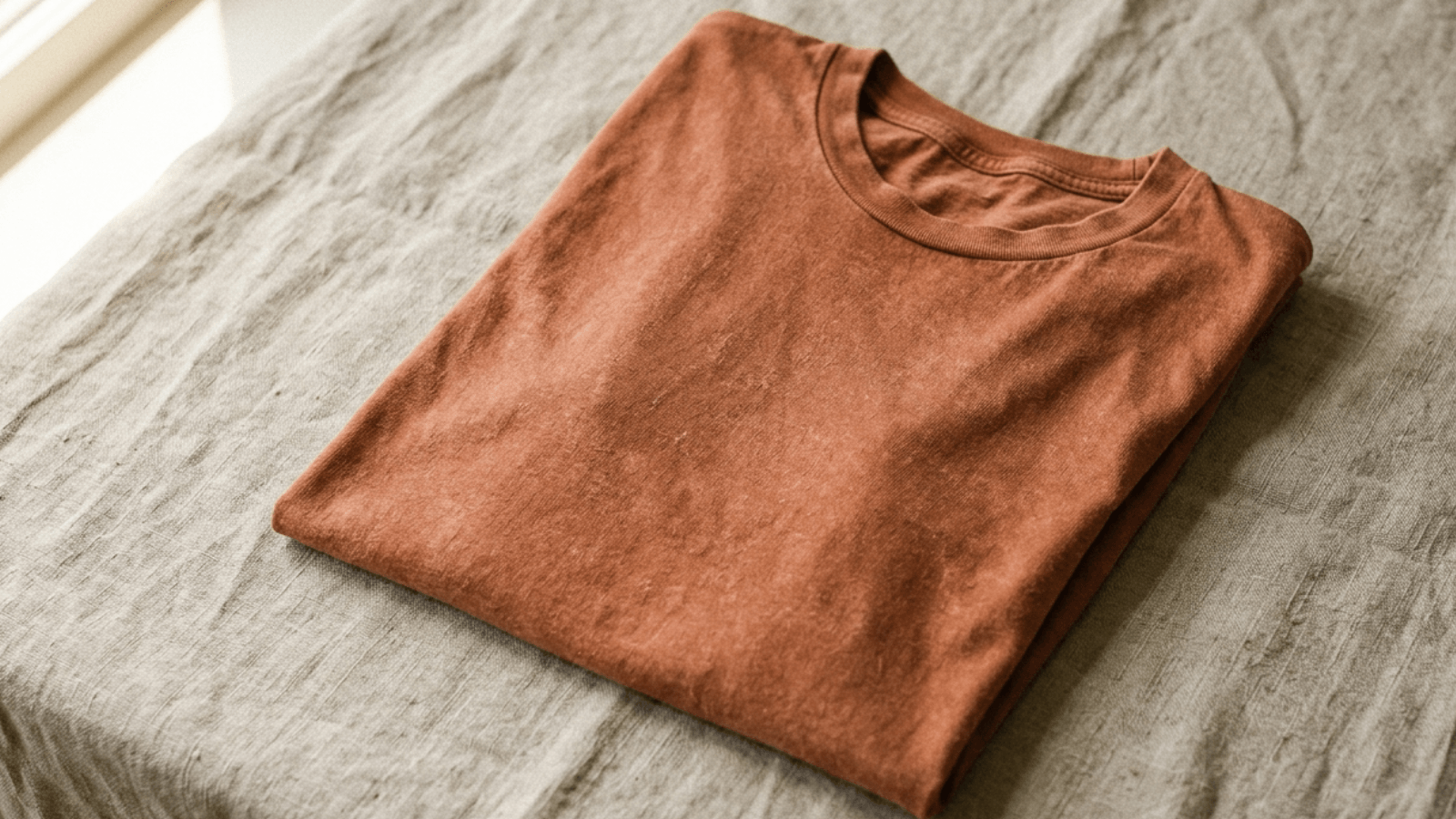
Walk through any casual wear rack in India right now and you will spot a texture that looks slightly faded, slightly soft, and a lot more lived in than a regular cotton tee. That finish has a name, and it is showing up in searches almost as often as it shows up on hangers. If you have typed lawa wash t-shirt meaning India into a search bar and landed here, you are trying to figure out whether this wash is a passing trend or a genuine upgrade over a plain cotton tee. Libis has been working with this finish across its lawa wash collection, so this is a good place to break down what the wash actually does, how it is different from a regular wash, and whether it fits your wardrobe.
This is not a small niche interest either. Wash finishes have quietly become one of the biggest differentiators between a basic cotton tee and something that looks considered, and lawa wash sits right at the centre of that shift for Indian casualwear right now.
What Lawa Wash Actually Means
Garment washing is not a single process. It is a family of finishing techniques applied to fabric after stitching, and each technique changes how the cloth looks, feels, and behaves over time. Regular wash simply cleans the fabric and removes manufacturing residue, leaving the weave tight and the surface smooth. Lawa wash goes a step further. It is a controlled washing and tumbling process that softens the cotton fibres, relaxes the weave slightly, and leaves behind a subtle worn in texture without weakening the fabric the way an aggressive stone wash can. Textile finishing resources such as Textile School's technical notes on fabric washing describe this category of finishing as a balance between appearance and fabric integrity, which is exactly the space lawa wash occupies. It is gentler than a stone wash, more textured than a rinse wash, and built specifically for everyday cotton wear rather than heavy denim.
Understanding this distinction matters before you buy, because a wash finish is not just a cosmetic choice. It changes how the fabric handles heat, how it drapes on the body, and how long the texture stays consistent through repeated washes at home. A tee that has already gone through a proper finishing process ages differently from one that has not, and that difference becomes obvious after a few months of regular wear.
Lawa Wash vs Regular Wash vs Other Finishes
The easiest way to understand lawa wash is to place it next to the finishes most Indian buyers already know.
|
Wash Type |
Texture Result |
Best Suited For |
|
Regular Wash |
Smooth, tight weave, no visible texture change |
Everyday plain and printed tees |
|
Lawa Wash |
Softened fibres, subtle worn look, relaxed drape |
Casual streetwear, oversized fits |
|
Stone Wash |
Strong faded look, coarser handfeel |
Denim and heavyweight fabric |
Regular wash tees are the default across most fast fashion racks because they are quick and inexpensive to produce, but that speed comes at the cost of character. Lawa wash asks for more time and a more careful process, and the difference is visible the moment you compare two tees side by side under normal light. The lawa wash piece has faint tonal variation across the surface, almost like a very light marble effect, while the regular wash tee looks flat and uniform from edge to edge.
How the Lawa Wash Process Works
The process starts after the garment is fully stitched, not before, which matters because washing a finished garment lets the fabric relax evenly around seams and hems instead of shrinking unevenly. The tee goes through a controlled wash cycle with a mix of mechanical action and mild washing agents, followed by tumble drying at a regulated temperature. This combination is what breaks in the cotton fibres just enough to create that soft, slightly irregular surface, while keeping the seams and print work intact. Because the process is more involved than a standard rinse, lawa wash pieces usually sit at a slightly higher price point, but the payoff is a tee that already feels broken in on day one instead of needing a dozen washes to soften up.
Timing is also a big part of what separates a good lawa wash from an inconsistent one. Wash too briefly and the fabric barely changes from its original state, which defeats the purpose of choosing the finish in the first place. Wash too aggressively and the fibres weaken, leading to pilling and thinning much faster than expected. Getting that balance right is where the quality of a manufacturer's process really shows, and it is why not every tee labelled lawa wash actually delivers the same result.
How Lawa Wash Feels and Looks on the Body
Three things stand out once you put on a lawa wash tee. The fabric drapes looser than a crisp regular wash cotton tee, which works well with the oversized and relaxed silhouettes that are popular right now. The surface has a very light, almost powdery texture variation rather than a uniform flat colour, so the tee looks a shade more premium without any print or embellishment. And the handfeel is noticeably softer straight out of the pack, since the fibre relaxing has already happened at the factory stage rather than through repeated home washing.
There is also a practical, non aesthetic reason this finish has grown popular in Indian weather specifically. Humid climates make stiff, tightly woven cotton feel clingy and uncomfortable within hours, while a fabric that has already been softened through washing sits away from the skin more naturally and breathes better through the day. That comfort factor is a big part of why lawa wash tees show up so often in casual everyday rotations rather than being treated as an occasional statement piece.
Who Should Pick Lawa Wash Over a Regular Tee
This finish tends to appeal most to buyers who want their basics to look intentional rather than plain. If your wardrobe leans toward relaxed streetwear, muted earthy tones, or a lived in aesthetic, lawa wash pieces fit that mood better than a crisp regular wash tee. It also suits anyone who wears their tees often, since the fabric is already through its initial softening phase and will not feel stiff for the first few wears. Pair it with the brand's
oversized tees or joggers for a complete relaxed casual look, since both are cut to work with the same loose, easy silhouette.
Caring for a Lawa Wash Tee
Because the fibres are already relaxed, lawa wash garments need a slightly gentler care routine than a regular cotton tee to keep the texture looking fresh.
|
Care Step |
Recommendation |
|
Washing |
Cold water, mild detergent, inside out |
|
Drying |
Air dry in shade, avoid direct sun |
|
Ironing |
Low heat, or skip it entirely for the relaxed look |
|
Washing Frequency |
Wash after two to three wears to preserve texture |
The texture is designed to stay consistent rather than fade dramatically with each wash, so you do not need to worry about the tee looking noticeably different a few months in the way a stone washed denim piece might.
Building an Outfit Around the Wash
Lawa wash works best when the rest of the outfit stays simple, since the texture itself is the detail doing the talking. A plain lawa wash round neck with straight fit trousers or shorts for a warm day keeps the look clean without competing prints. If you want to layer, a lightweight overshirt in a solid shade lets the wash texture peek through at the collar and sleeves, which is a small styling detail that photographs well and reads as deliberate rather than accidental.
If you have been comparing wash finishes purely on price, it helps to remember that the extra processing step is what gives the fabric its softness and texture from the very first wear, so the value shows up in how the tee feels rather than just how it looks on a hanger.
A Quick Way to Check Wash Quality Before You Buy
Not every tag that says washed or distressed means the same level of processing went into the garment. A quick way to judge quality without needing to feel the fabric in person is to look closely at product photos for even, consistent texture across the whole tee rather than patchy fading concentrated in just a few spots. Patchy, uneven fading is often a sign of an inconsistent or rushed wash cycle, while an even, all over texture points to a controlled process where the entire garment spent the right amount of time in the wash. Reading a few buyer reviews that specifically mention how the fabric feels after multiple home washes is another reliable signal, since that is where a poorly finished tee usually starts showing problems like excessive pilling or an uneven fade that was not there at purchase.