Men's Monsoon Wardrobe Checklist: What to Add and What to Avoid
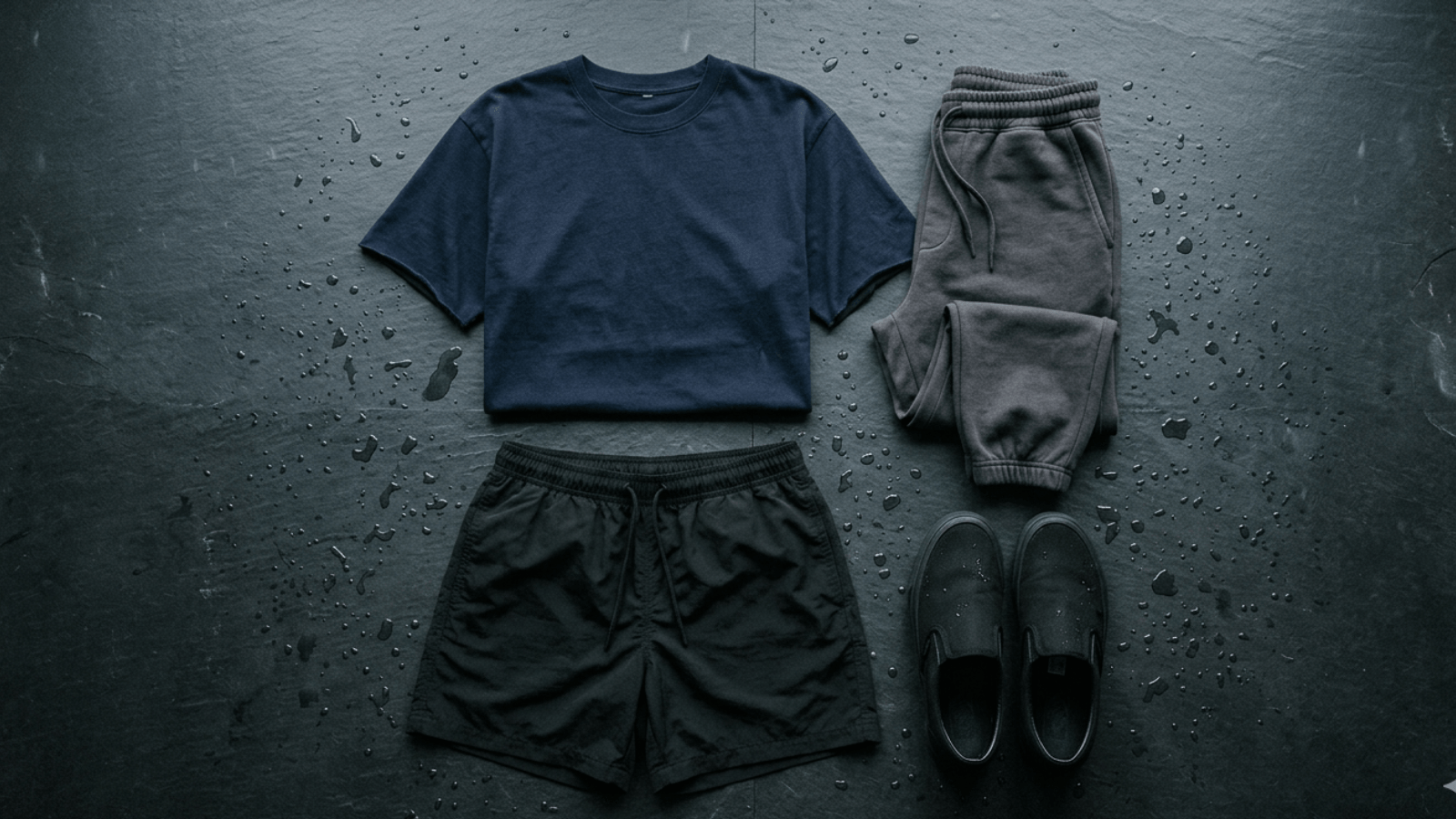
The monsoon season in India does not just bring rain. It brings humidity, unexpected downpours, muddy commutes, and the constant question of what to actually wear. Most men either overdress in fabrics that stay wet for hours or underdress and end up uncomfortable by midday. Getting your monsoon wardrobe right is less about buying more and more about buying smarter.
This checklist covers exactly what to add to your wardrobe for the season and, just as importantly, what to leave on the shelf until October.
Why Your Regular Wardrobe Does Not Work in Monsoon
Standard cotton T-shirts work beautifully in summer. In the monsoon, they become a liability. Cotton absorbs moisture readily, holds it, and takes a long time to dry. A single drizzle can leave you feeling heavy and uncomfortable for the rest of the day. Fabrics that work in dry heat often behave very differently when humidity levels are above 80 percent.
The same goes for lighter coloured clothing. Light shades show water marks and wet patches immediately. Footwear choices affect whether your clothes stay dry or get splashed. Even the fit of your clothing matters because closer fits dry faster and do not cling as dramatically when wet.
Building a monsoon wardrobe means understanding the season rather than just surviving it.
What to Add to Your Monsoon Wardrobe
Quick-Dry and Moisture-Wicking T-Shirts
The most important addition is a set of T-shirts in quick-dry fabrics. Polyester blends and performance cotton both work well here. These fabrics pull moisture away from the skin and dry much faster than standard cotton. Libis's round-neck T-shirts for men in heavier GSM cotton (180 GSM and above) actually hold up better in monsoon conditions than thin single jersey, as they do not cling to the body when damp.
Stick to darker shades like navy, charcoal, olive, and deep maroon. These colours hide water marks and look intentional even if you caught a shower on the way in.
Joggers in Blended Fabrics
Heavy denim is a nightmare in the rain. Joggers in cotton-poly blends are the practical alternative. They dry faster, weigh less when wet, and can still look put-together for casual office settings or errands. Libis offers joggers that work through both the gym and the commute, which is exactly the kind of versatility you need in a season where plans change quickly.
Shorts for the Weekends
For weekends or any day without formal requirements, shorts are arguably the smartest monsoon choice. They get wet, they dry fast, and they do not feel heavy. The key is picking the right waistband, drawstring shorts give you adjustability, while elastic waistbands with a mesh lining dry faster than plain cotton waistbands.
Dark-Coloured Oversized Fits
Oversized T-shirts are more than a trend this season; they are practical. The extra fabric around the body reduces the amount of skin that a wet T-shirt clings to, which dramatically improves comfort. An oversized T-shirt in a dark colour is one of the most underrated monsoon picks a man can make.
Monsoon Wardrobe: Add vs Avoid
|
Add This |
Avoid This |
|---|---|
|
Quick-dry polyester or poly-cotton tees |
100% thin single jersey cotton tees |
|
Dark colours: navy, charcoal, olive, black |
White, light grey, or pastel shades |
|
Joggers in cotton-poly blends |
Heavy denim jeans or thick cotton trousers |
|
Drawstring or elasticated shorts |
Rigid waistband shorts with thick hems |
|
Oversized or relaxed fit tops |
Slim-fit styles in clingy fabrics |
Fabrics That Actually Work in the Rain
Understanding fabric behaviour in humid conditions helps you shop better throughout the season, not just this year.
Polyester and polyester blends perform best because the fibres do not absorb water the way natural fibres do. They wick moisture to the surface and allow it to evaporate faster. Performance cotton, which is a tightly woven treated cotton, offers a middle ground between the feel of natural fabric and the function of synthetic.
Pure cotton, particularly thin cotton, absorbs and holds water. That does not make it useless in monsoon, but it means you need to be deliberate about the weight and weave. A heavier GSM cotton T-shirt dries more evenly and does not go transparent when wet, which matters for obvious reasons.
Linen, despite being breathable, absorbs water and wrinkles badly when damp. Save it for drier days.
For a broader understanding of how GSM affects fabric performance, the Textile Exchange's fabric guides offer detailed breakdowns of how different materials behave across conditions.
Care Tips That Apply Only to This Season
Monsoon laundry has its own logic. Clothes take longer to dry, which means they are more susceptible to developing a damp smell if left bunched together. Dry clothes inside but with adequate air movement, not piled on top of each other.
Wash darker clothes in cold water to prevent colour bleed, especially if they are new. Quick-dry T-shirts should be air-dried rather than put in a tumble dryer because high heat degrades the moisture-wicking finish over time.
If you are storing away summer whites or light linens for the season, fold them clean and dry. Monsoon humidity can cause mould on fabrics that are even slightly damp when stored.
Building It Over Time
You do not need to replace your entire wardrobe for the monsoon. A handful of strategic additions make the season significantly more comfortable. Three to four quick-dry T-shirts, one or two pairs of joggers or shorts in blended fabric, and a commitment to avoiding light colours outdoors are enough to get through the season without repeatedly feeling miserable in wet clothes.
The Libis range of round neck T-shirts, joggers, and shorts covers the core pieces you need. Choose colours and fits that can cross over between your daily routine and casual plans, and the monsoon suddenly feels a lot less like something to just survive.