The Rise of Unisex Fashion: What It Means for Everyday T-Shirt Shopping
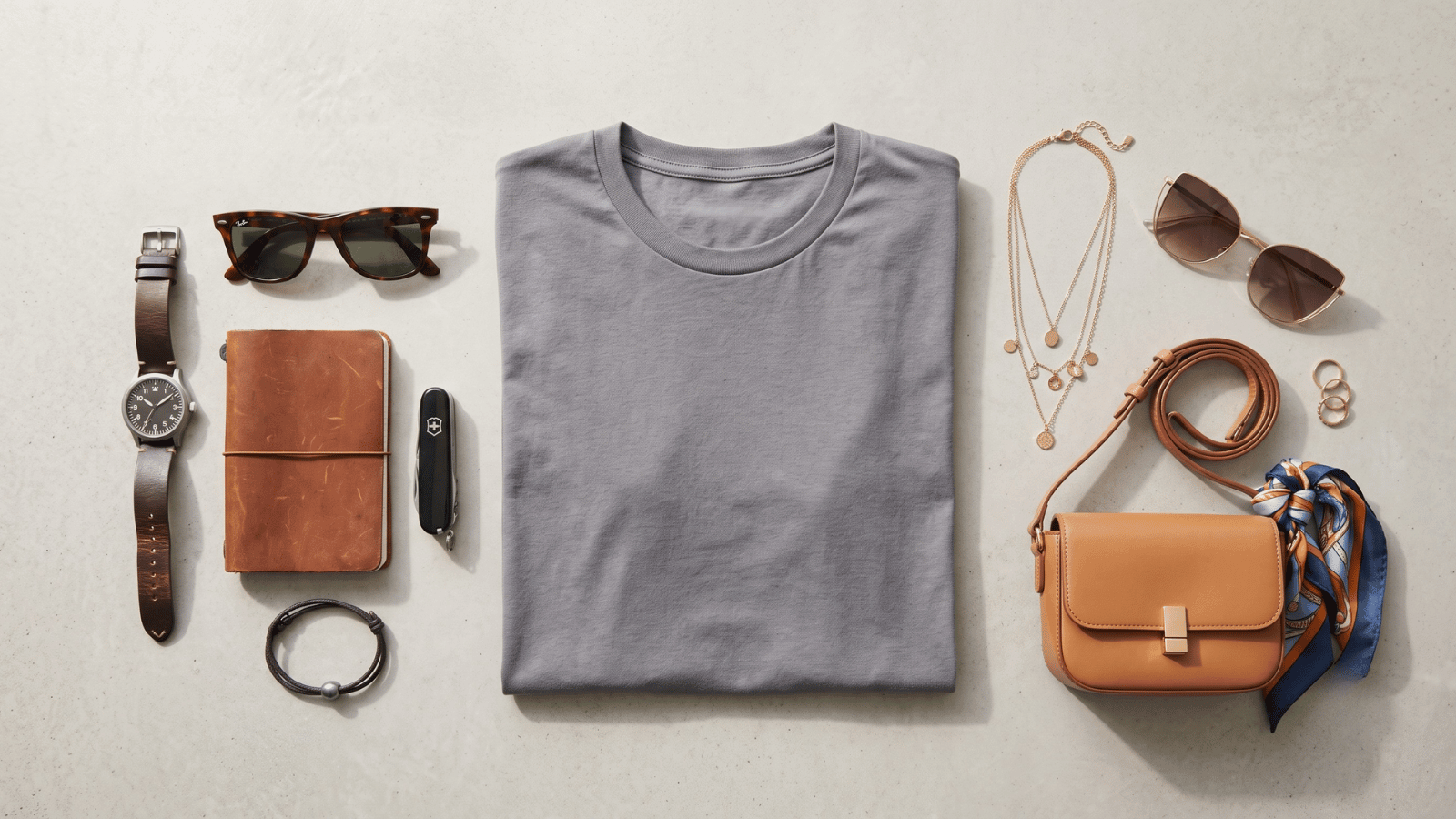
Unisex fashion has moved from a niche label to a mainstream shelf category, and t-shirts have led that shift more than almost any other garment type. What started as a styling trend among younger shoppers has turned into a genuine change in how brands cut, size, and market their basic tees. Understanding what unisex actually means in practice, rather than just as a marketing term, makes everyday t-shirt shopping considerably easier to navigate.
What Unisex Fit Actually Means
A genuinely unisex t-shirt is cut with a straighter body line and a boxier shoulder than a traditionally gendered fit, avoiding the tapered waist common in fitted women's cuts or the broader chest allowance typical in slim fit men's cuts. This straighter cut is what makes a single design wearable comfortably across different body types without needing separate patterns. It is worth noting that unisex does not mean one size fits everyone identically, sizing still varies by brand, and trying before committing to a size remains the safest approach.
Why Shared Wardrobe Pieces Are Gaining Ground
Beyond individual style preference, unisex t-shirts have become practical for households and couples who want to share a basic wardrobe piece without needing gender specific duplicates. A well cut unisex tee works as a layering base, a loungewear piece, or a casual outer layer regardless of who is wearing it that day, which reduces the need to buy separate versions of what is functionally the same garment.
|
Fit Type |
Typical Cut |
Best For |
|
Traditional Men's Fit |
Broader shoulder, straighter hem |
Structured, fitted look |
|
Traditional Women's Fit |
Tapered waist, shorter length |
Fitted, shaped silhouette |
|
Unisex Fit |
Straight body line, boxier shoulder |
Shared, relaxed, versatile wear |
How to Judge Fit When Shopping Unisex
Since unisex sizing charts vary more between brands than traditional gendered sizing does, checking the actual measurement chart rather than relying on a standard size label is worth the extra minute. A size that runs true to a regular fit tee from one brand can run noticeably oversized in a different brand's unisex line. Chest width and body length are the two measurements worth prioritising, since those determine most of how a unisex tee will actually sit on your frame.
- Check the brand's specific measurement chart rather than assuming standard sizing applies
- Prioritise chest width and body length measurements over the generic size label
- Unisex fit tends to run boxier through the shoulder, factor this in if you prefer a fitted look
- A shared wardrobe piece works best in neutral colours that suit both casual and layered styling
Where the Trend Is Headed
Unisex t-shirts are increasingly the default basic tee offering from many brands rather than a separate niche category, which reflects a broader shift in how casual wardrobes are being built around shared, versatile pieces rather than strictly gendered basics. For everyday shopping, this mostly means more fit options to choose from at the basic tee level, without necessarily needing to look at a separate unisex specific collection.
Browse the current t-shirt range and compare fit notes across styles to find a cut that works whether you are shopping for yourself or a shared wardrobe piece with someone else.